My Monster Album - Collect & T
- 4.4
- Rating
- 50.00K
- Installs
- Free
- Price

 Analysis by App-foxy
When I decide whether a collection game is worth keeping on a phone, I look beyond the first few stickers: does the album give me a reason to return, and can its social side work in ordinary family life? My Monster Album is built around those modest pleasures. I would recommend it to someone who enjoys seeing a themed collection take shape, but not to a player expecting a sprawling game or structured lessons.
One practical way to try it is to set a small goal for a session, such as identifying the next useful gap in the album, then stop once that goal is clear. This keeps collecting from turning into aimless tapping and makes it easier to tell whether the game’s pace suits you. For a child, that brief check-in can also make it natural to talk about what they hope to collect and whether a proposed exchange seems fair.
A useful fit for brief, shared routines
The game is most appealing when the player already likes stickers and has someone else who enjoys comparing collections. If no trading partner is available, I would judge it mainly as a solo album and avoid expecting the social element to carry the experience. Someone who prefers self-contained puzzles may be happier with a game whose progress does not depend on conversation or another player’s interest.
You May Also Like

 Pandora - Music & Podcasts
Pandora’s Music Is Easy to Start, but Harder to Recover
Pandora’s strength is its low-effort path from a seed to a station. Its weak spot is how much confidence it asks you to place in connection, setup, and quiet recovery.

 8 Ball Pool
 Is Built on Rivalries, Rematches, and Routine
A close look at the rivalries, rematches, shared routines, and unanswered safety questions that turn a quick pool match into a persistent mobile community.

 Samsung Music
’s Quiet Strength Is Playing What You Already Own
Its reach comes less from spectacle than from dependable access to a personal library. That simplicity is both the app’s strongest retention engine and its ceiling.

 AccuWeather: Weather Radar
AccuWeather Review: A Quick, Clear Forecast for Everyday Decisions
For everyday plans, the best forecast is the one you can understand quickly. AccuWeather makes rain timing, radar, and local conditions easy to act on, with a few trade-offs.

 Hill Climb Racing
Why Hill Climb Racing Still Turns Crashes Into One More Run
A tiny car, a bumpy hill and one more upgrade: Hill Climb Racing keeps resurfacing because its simple chaos makes every near-miss feel personal.

 AliExpress - Shopping App
AliExpress Makes Global Shopping Feel Personal, but Shoppers Bear the Risk
AliExpress turns a global marketplace into a pocket-sized discovery engine. Its reach is useful, its shopping loop compelling, and its trade-offs easy to miss.
More From Our News Desk
View All News


For families, a simple routine can make the purchase side easier to manage: agree that the player can browse and organize freely, while any purchase requires an adult’s approval. That boundary preserves the low-pressure appeal without making every visit feel like a negotiation. It also helps answer a common concern for younger users: the game is rated Everyone, but families still need to set their own rules for spending and trading.
I also see a useful distinction between this and a standard digital sticker book. A static book is better if the goal is simply to place stickers on pages without a social loop; this game is a better fit when comparing collections and arranging exchanges are part of the fun. Neither option is automatically superior—the choice depends on whether the player wants an interactive collecting routine or a quiet, self-contained album.
That balance is the reason I would try it before committing to a long-term routine. The free download makes a trial straightforward, while the optional purchases mean I would not treat paid items as necessary for deciding whether the core collecting idea works. Start with the album itself and the people available to trade with; if those two parts are enjoyable, the game has a clearer chance of becoming a regular short-session activity.
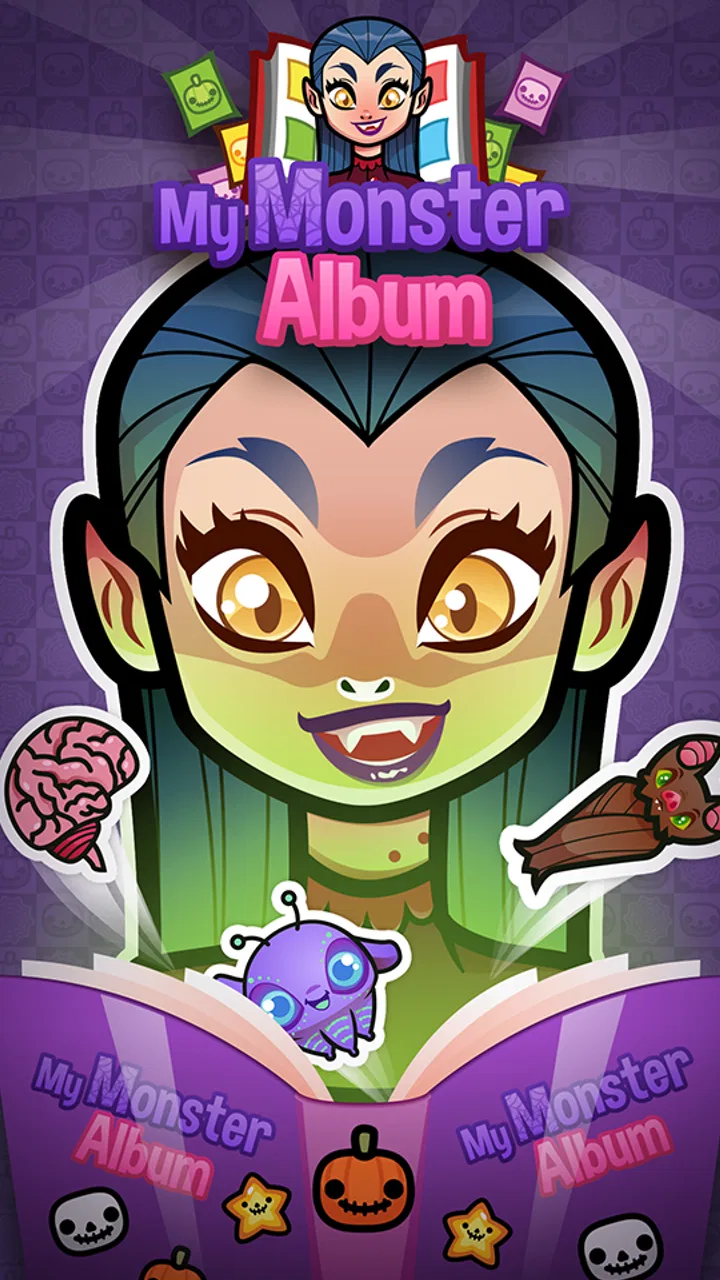
I approached My Monster Album as a small collecting game rather than a traditional action title, and that distinction matters. Its appeal comes from filling an album with villain-themed stickers, deciding what to keep, and using trades with friends to make progress feel more social. I found it easiest to enjoy when I treated each short session as a simple collectible routine instead of expecting a deep adventure or a long-form educational course.
Developed by Tapps Games, this free educational game is aimed at Everyone and runs on Android devices using version 8.0 or later. It has built a modest audience, with more than fifty thousand installs and an average score of 4.4 from roughly seven hundred ratings. Those numbers suggest a generally positive reception, although the experience is naturally more niche than a large multiplayer game or a major sticker-collecting franchise.
How the album works in everyday play
The basic workflow is straightforward: open the album, look at the stickers you have collected, identify the empty spaces, and work toward completing more of the collection. The villain theme gives the process a clear identity, while the album format makes progress visible in a way that a conventional score often does not. I liked being able to see unfinished areas at a glance because it gave each return visit a small purpose.
This is best suited to short, repeatable sessions. For example, I can imagine a child checking the album after school, noticing which stickers are missing, and then discussing possible trades with a friend later. An adult collector could use it in the same way during a commute or a brief break, provided the device meets the operating-system requirement. It is not a game I would choose when I want a dramatic story, fast reflex challenges, or a large world to explore.
The educational label should also be understood in context. The learning value here is connected more to sorting, recognition, collection management, and social exchange than to lessons in mathematics, language, or science. That makes it a gentle choice for users who enjoy organizing themed items, but it may disappoint anyone searching for a structured learning tool with quizzes, explanations, or measurable study progress.
The first habit I recommend is checking the album before trying to obtain anything new. Looking at the empty spaces changes the experience from random collecting into a small plan. I would first notice which sections are close to completion, then focus attention there rather than treating every new sticker as equally important. This simple approach makes the collection feel less scattered and helps younger players understand why duplicates or trades can matter.
Settings and account habits worth checking
Before settling into regular play, I would spend a moment reviewing the available in-game options on the device. The useful principle is not to search for complicated controls, but to make sure the experience fits the player. Check sound and notification behavior if those options are present, especially when the game is being used around school, during family time, or in a quiet public place. A sticker album should be easy to pause without becoming disruptive.
Because the game includes trading with friends, I would also establish a simple household rule before handing it to a child: trades should be discussed with a known friend or family member, and purchases should require an adult’s permission. The game is free to download, while individual in-app purchases range from $1.99 to $14.99. That makes purchase awareness more important than it might be in a purely offline album. I would keep the first sessions focused on collecting and trading so the player understands the core loop before spending anything.
The age rating of Everyone makes the concept approachable for a broad audience, but an age label does not replace supervision. Younger players may understand the fun of exchanging stickers without fully understanding the value of a purchase or the difference between a wanted sticker and a useful trade. I find that a short conversation about those boundaries works better than turning every session into a warning.
Device compatibility is another practical point. The game requires Android 8.0 or later, so I would check the operating system before recommending it to someone with an older phone or tablet. On a compatible device, the main question is less about technical power and more about whether the player enjoys a collection that grows gradually. Someone who dislikes repetition may lose interest even if the game runs perfectly.
Faster collection habits without overcomplicating play
Experienced use of an album game is mostly about consistency. I would use a repeatable sequence: inspect missing stickers, look for obvious trade opportunities, complete the easy gaps first, and only then think about spending. This order prevents the common mistake of buying or chasing items without knowing what the album actually needs.
Another useful pattern is separating personal favorites from completion targets. A player may want a particular villain because of its appearance, while a different sticker may be more valuable for finishing a nearly complete section. Keeping those goals separate makes decisions clearer. If the aim is personal enjoyment, choose the favorite. If the aim is album progress, prioritize the gap that brings a section closer to completion.
Trading works best when it is treated as a conversation rather than a race. I would compare duplicates with a friend, agree on what each person is missing, and avoid offering away an item simply because it is currently unused. A duplicate can become useful later if the collection changes or if it helps negotiate for a sticker that is genuinely difficult to find. This is a small but important difference between casual tapping and thoughtful collecting.
The social element also gives the game a use case that ordinary puzzle apps do not offer. Two children who are both interested in the villain theme can compare albums and create their own informal goals. Parents can join in by asking which sticker is missing and why a particular trade seems fair. That turns a solitary screen activity into a light conversation about planning, patience, and exchange.
I would not rush through every session. The album format rewards returning to the same collection, and a little anticipation is part of the appeal. If a player tries to force completion immediately, the game can start to feel like a checklist. Short visits preserve the sense that each new sticker changes the album rather than merely adding another item to an already finished task.
Where the simple design reaches its limits
The same simplicity that makes the game accessible can also make it feel limited. There is no reason to expect the depth of a full strategy game, a competitive card battler, or a detailed educational platform. The core pleasure is collecting and trading, so users who need constant mechanical variety may find the loop repetitive after the novelty of the theme fades.
The purchase structure is another point to consider. Although the entry price is free, optional items can cost from $1.99 to $14.99 each. I would therefore recommend it most strongly to players who are comfortable progressing slowly or to families that have clear purchase controls. If immediate completion is the main goal, the free starting point may not feel as generous as it first appears.
Trading is also more enjoyable when other interested players are available. A person playing alone can still appreciate the album, but the social promise is naturally weaker without friends who want to compare collections. In that situation, a single-player puzzle or a traditional digital sticker book may provide a more dependable experience because it does not rely on another person’s participation.
The game is not the right choice for someone looking for a serious learning curriculum. Its educational character is informal and collection-based, not lesson-based. I would choose a dedicated learning app for spelling practice, arithmetic, reading instruction, or science explanations. I would choose this one for a child who already likes stickers, themed characters, and the satisfaction of organizing a personal collection.
There is also a difference between a digital album and a physical one. A physical sticker book offers tactile handling and a visible object that can be shared away from a screen. This game offers convenience, quick access, and the possibility of trading digitally. Neither replaces the other completely. The better option depends on whether the player values portability and interaction on a device or the hands-on feeling of paper stickers.
Who will get the most from it
I think the strongest audience is made up of casual collectors, younger players who enjoy friendly exchange, and families looking for a low-pressure game with an obvious visual goal. The villain theme gives the album enough personality to stand apart from a blank checklist, while the free entry point makes it easy to try before deciding whether the routine suits the player.
It can also work as a shared parent-and-child activity. Instead of simply handing over the device, a parent can ask the child to explain which stickers are missing, which ones are duplicates, and what would make a fair trade. That turns the collection into a small exercise in decision-making. The game does not need to become a formal lesson to encourage those habits.
I would be more cautious recommending it to older players who want substantial progression, competitive rankings, or a wide range of challenges. The album concept is focused, and its charm depends on liking that focus. If the player starts asking for combat, exploration, or complex strategy, another genre will probably be a better fit.
My final take after settling into the routine
My Monster Album works because it keeps its central idea easy to understand: collect themed villain stickers, watch the album fill, and use friends to make missing pieces easier to find. I appreciate that it does not demand expert gaming skills, and I can see why a casual player would return for a few minutes at a time.
Its best results come from using a small routine rather than chasing everything at once. Check the album, focus on the most useful gaps, treat trades thoughtfully, and keep purchases under control. Those habits make the experience more satisfying and help reveal whether the collection itself is enough to hold your interest.
With version 1.0.17, the game remains a focused choice rather than an all-purpose learning app. I would recommend it to a friend who enjoys digital sticker albums and has people nearby to trade with. I would skip it for someone seeking deep educational content, a substantial story, or demanding gameplay. Its real strength is the combination of simple collecting and friendly negotiation, not complexity.
Overall, I see it as a pleasant, accessible game for short sessions and shared collecting. The free download lowers the barrier to trying it, the Everyone rating broadens its audience, and the album structure gives casual play a clear direction. Just remember that optional purchases and the need for trading partners shape the experience. If those conditions suit you, this small villain-themed collection can become a surprisingly enjoyable habit.
FAQs for My Monster Album - Collect & T
01What is My Monster Album - Collect & T about?
My Monster Album - Collect & T is a collection-focused monster game built around discovering, organizing, and completing an album of creatures. Players typically progress by obtaining new monsters, checking their collection, and working toward a more complete album. Its appeal comes from the collecting loop, visual variety, and the satisfaction of unlocking entries rather than from a complex story-driven campaign.
02Is My Monster Album - Collect & T free to download and play?
The app can generally be downloaded without an upfront purchase, but free access may include advertising, optional in-app purchases, or limitations on certain rewards and progression features. Before installing, check the current Google Play Store or App Store listing for pricing details, supported purchases, and subscription information. Availability and monetization can also vary by country and device.
03Does the game require an internet connection?
An internet connection may be needed for downloading the game, receiving updates, displaying advertisements, synchronizing progress, or accessing online features. Some collection activities may work while offline, but this should not be assumed for every function. If you plan to play during travel or with limited data, test the app offline first and make sure your progress is properly saved.
04Is My Monster Album - Collect & T suitable for children?
The game’s colorful monster-collecting concept may be attractive to younger players, but parents should review the age rating and privacy information before allowing children to play. Advertising, external links, optional purchases, and data collection policies are especially important to check. If children use the app, parental controls and purchase restrictions are recommended to prevent accidental spending.
05What should I check before downloading My Monster Album - Collect & T?
Before downloading, confirm that your Android or iOS device meets the listed requirements and has enough free storage for the installation and future updates. It is also worth checking recent user reviews, the developer’s update history, permissions, privacy policy, and whether progress can be restored after changing devices. These details can significantly affect the overall collecting experience.
Pros
- Simple controls make collecting monsters easy for younger players.
- Album-style progression gives collectors a clear sense of completion.
- Short play sessions suit quick breaks and casual gaming.
- Colorful monster designs make the collection visually appealing.
- The game offers a relaxed experience without demanding advanced skills.
Cons
- Repeated tasks may feel monotonous after the initial collecting excitement.
- Some monsters may require considerable time or luck to obtain.
- Limited strategic depth could disappoint experienced gamers.
- Progress may feel slow if rewards are not earned frequently.
- Device storage and performance requirements may vary by platform.

My Monster Album - Collect & T
Gallery